
Safe?
...or safe enough?
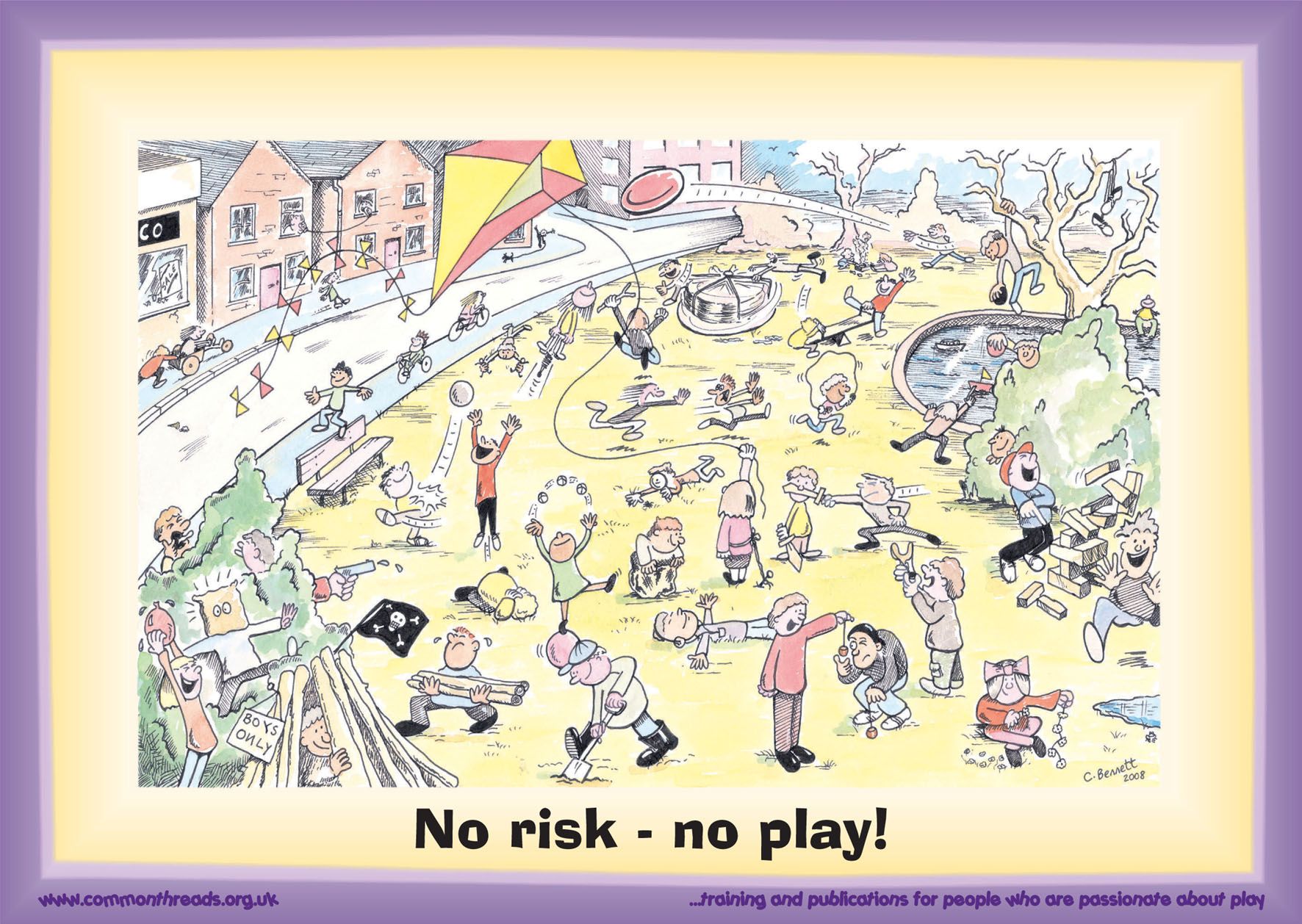
We all know that keeping children safe is important - but children also need to be able to learn how to take risks for lots of different physical and psychological benefits. So how can adults let children take risks which are safe enough?
Learn how to use the PARS model of playwork practice to let children take appropriate risks and to explain why that's important to other adults!
Learn how to use the PARS model of playwork practice to let children take appropriate risks and to explain why that's important to other adults!
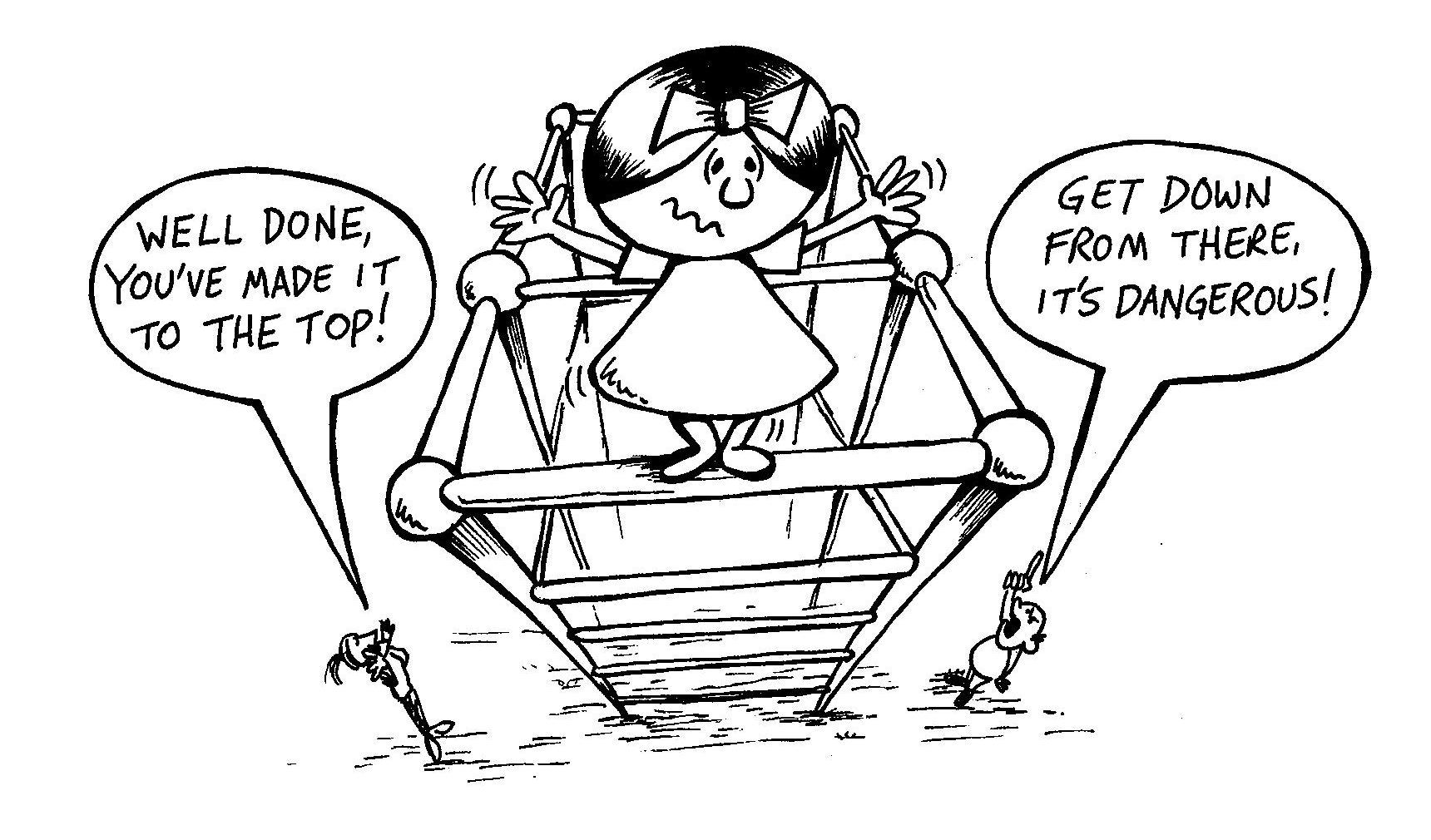
Find the balance with PARS
playwork training!
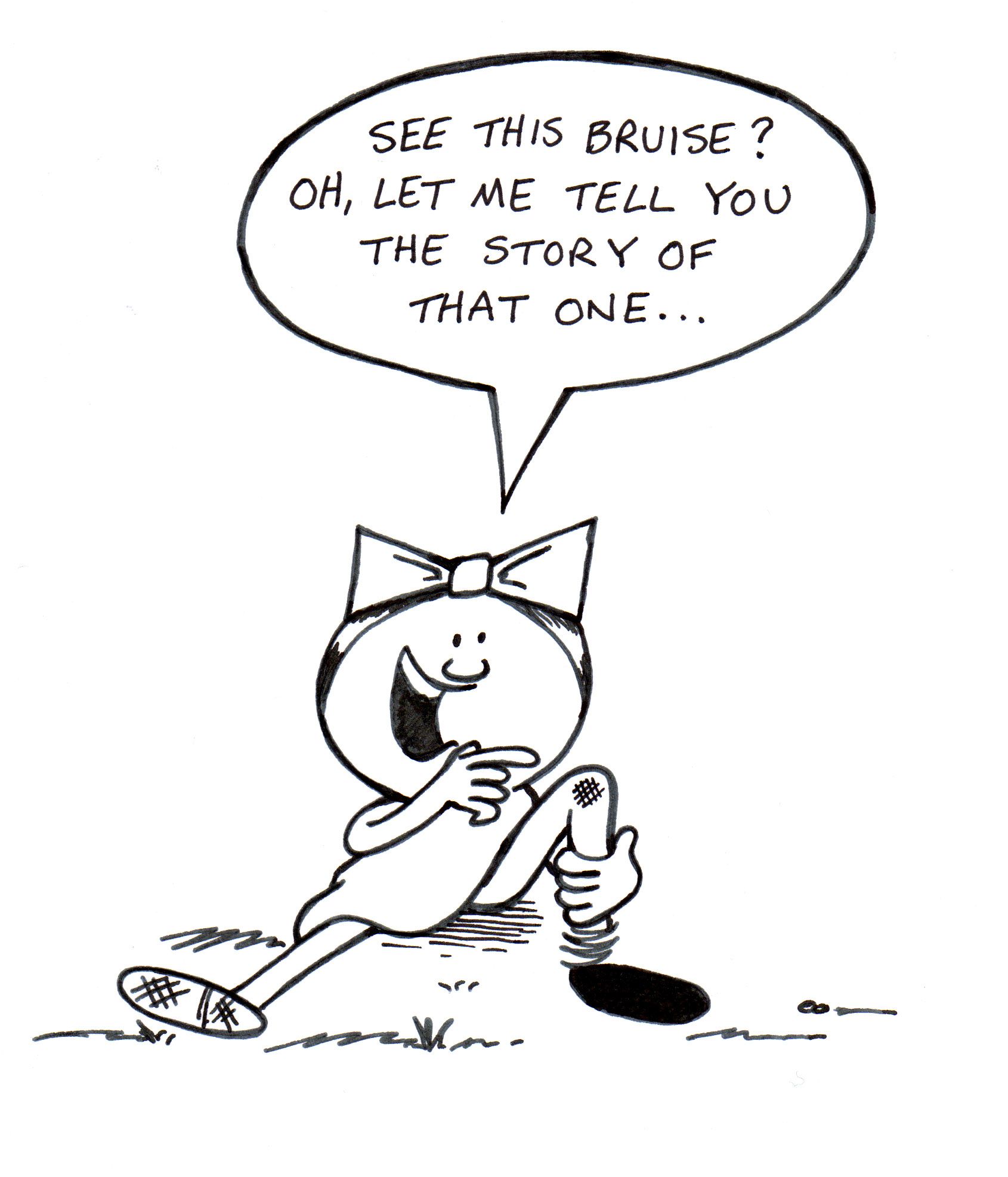
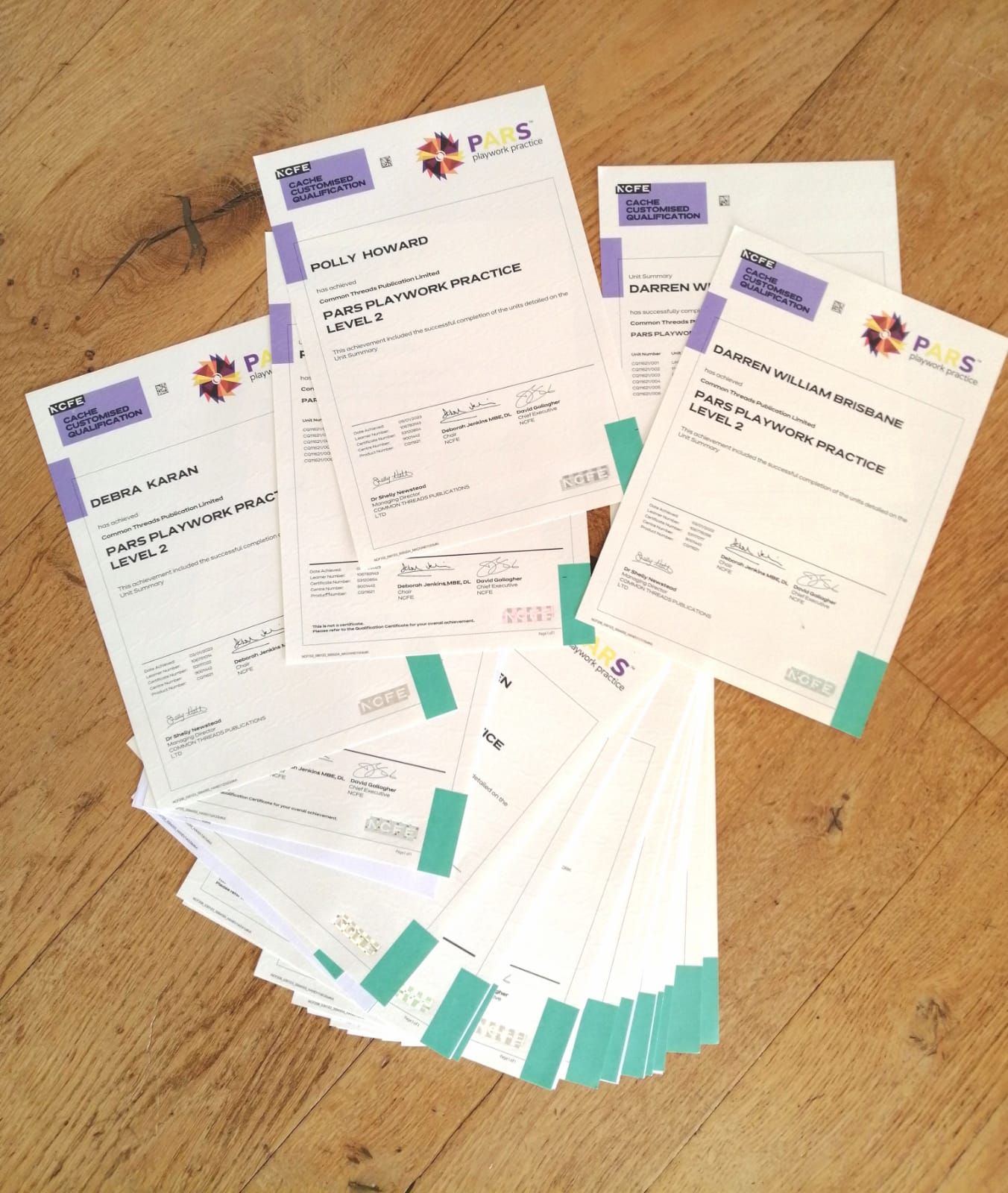
Accredited programmes
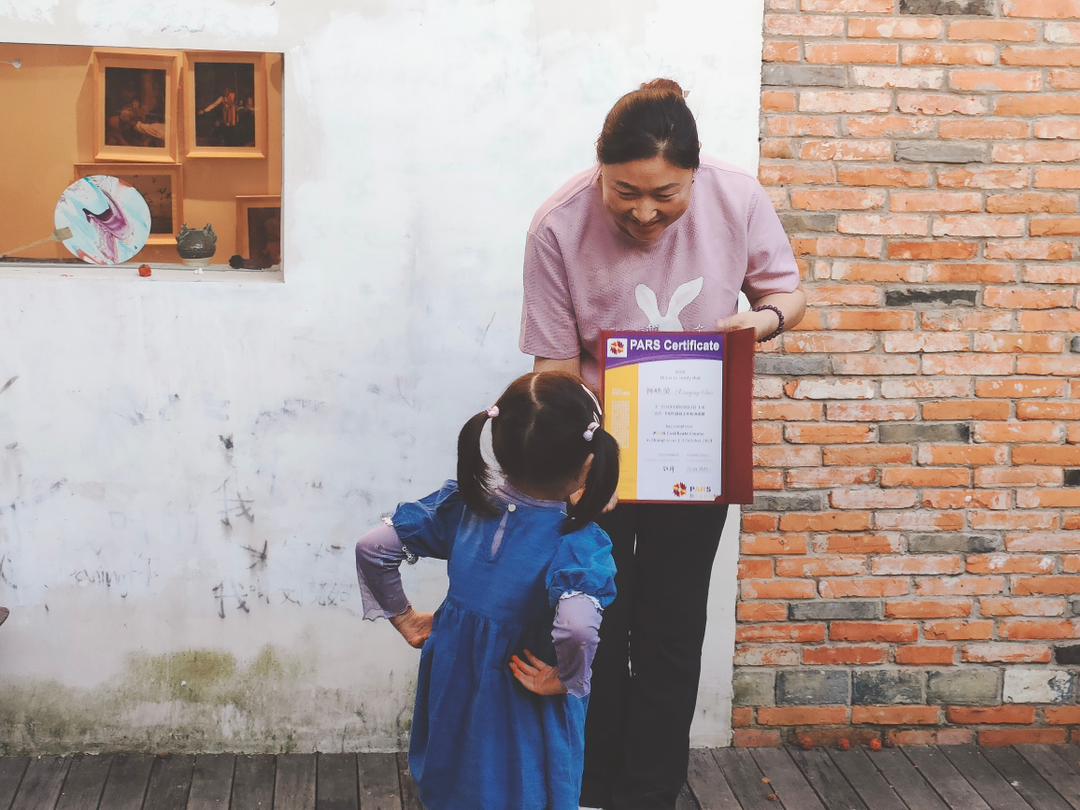
PARS Playwork Practice (PPP) Level 2, 3 and 4 programmes are accredited by NCFE as Customised Qualifications. Successful learners receive a high quality certificate from NCFE after successfully completing their assessments.
Practical
training
PARS training goes much further than theory! PARS courses teach you how to make practical decisions about how to let children get more out of their free time by using the PARS model. No unnecessary theory or legislation included!
Internationally applicable
PARS works in any setting where children are supervised by adults in their leisure time. We have qualified adults in 26 different countries/regions, including Australia, Qatar, China, New Zealand, USA, UK, Canada, Malaysia, South Korea, Japan and Brazil. PARS practitioners work in schools, hospitals, summer camps, daycare, zoos, libraries, environmental projects, children's museums...and so many more!
24/7
support
PARS programmes are delivered live by a PPP4 qualified PARS Licensed Trainer in your time zone, via our online learning platform where you will have access to lots of support materials to gain your qualification. Plus lots of support from your dedicated professional Assessor!
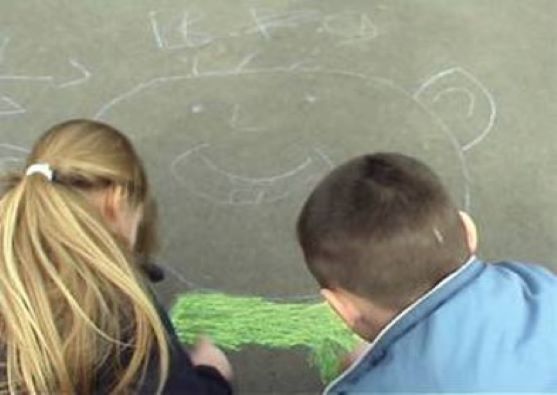
What is involved in a PARS programme?
Teaching
Your PARS programme will be taught live by a PPP4 qualified PARS Licensed Trainer. All PARS courses are interactive with plenty of time for discussion and learning from other participants. The course materials are provided online and include handouts and two course handbooks which you will use to help you complete your assessments.

Practice
During the course you will be asked to try out some of the PARS model whilst working with children. Real-world case studies, discussions and assessments will enable you to put PARS into practice in your setting. You will not be assessed in your workplace.
Assessment
PARS is an NCFE International Award Centre. Your assessments are completed online through short assignments and multiple choice texts. You will receive feedback from your dedicated PARS assessor and supported throughout the assessment process.

Learn. | Reflect. | Apply. | Improve.
- Learn how to apply the PARS model of playwork practice to support children in taking appropriate risks in their play.
- Get support from your PARS Trainer and Assessor to reflect on your own approach to risk in a non-judgemental way.
- Improve your ability to make decisions about 'safe enough' risks for children and to explain those decisions to colleagues and parents.
Write your awesome label here.
Find the right PARS course for you!
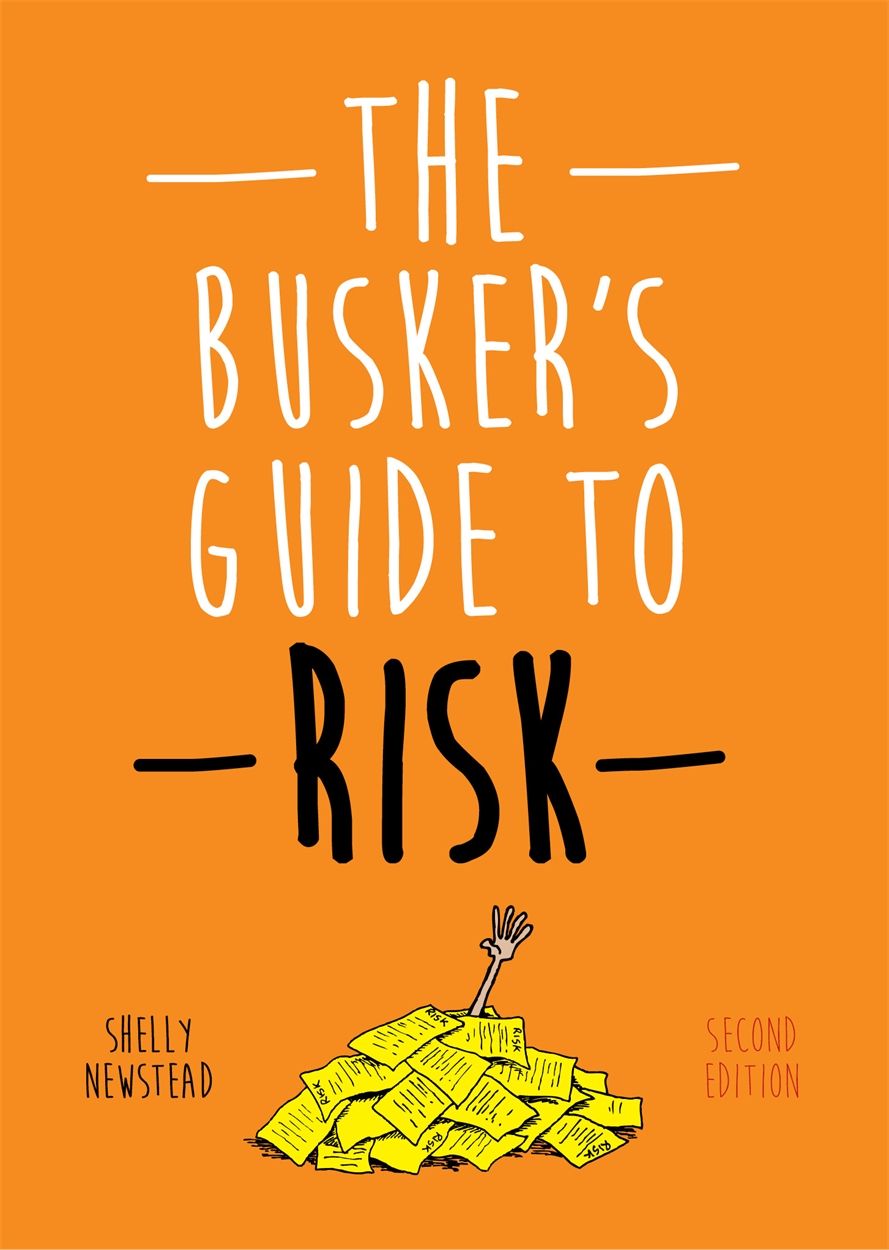
Book a PARS course and get a free copy of The Busker's Guide to Risk!
Get a digital copy of our popular Busker's Guide to Risk (in English) completely free when you book a place on any of these courses...
Frequently asked questions
Do I have to attend previous PARS training before I join PPP2 or PPP3?
There is no requirement for previous PARS training or playwork experience before joining a PPP2 or PPP3 programme. Anybody who wants to take part in PPP4 and become a PARS Licensed Trainer must complete PPP3 first.
Will I need to do homework?
Yes, afraid so! PPP2 and PPP3 are NCFE accredited Customised Qualifications, so all participants need to do weekly assignments during the course to demonstrate how they can put PARS playwork into practice when working with children. These assignments are assessed by our Assessment Team who will give feedback on each assignment.
What is included in the cost of the course?
The cost includes all live teaching sessions and course materials, assessment and certificate from NCFE. There is nothing else you will need to pay once you have joined the course!
Once I get my PPP2 or PPP3 qualification, can I teach others to use PARS?
No. To teach PARS to others, you must be qualified to PPP4 and be a PARS Licensed Trainer. If you are qualified at PPP3, you may be eligible to join our PARS Schools Mentor Programme. For more information on how to share your PARS knowledge with others, please get in touch!
How long does my PPP2 or PPP3 Customised Qualification last?
Technically there is no expiry date for your NCFE certificate. However, we strongly encourage you to continuously develop your PARS playwork practice and you can find plenty of opportunities to do so here!
Continuous Professional Development